Color, Clarity, Cut and Carat.
The key defining characteristics of every diamond. A way for each stone to be consistently and accurately measured.
The 4Cs and beyond.
-
Cut doesn’t mean shape (like round, oval, pear, cushion etc.), it refers to proportions, symmetry, and polish.
The cut of a diamond is the single most important factor in its beauty. It determines how light reflects through the stone and how much brilliance and fire it emits. A poorly cut diamond leaks light through the sides or bottom, appearing dull or dark.
Diamond Concierge stones are thoroughly checked and hand select for exceptional cut quality to ensure maximum brilliance and fire. We select based on premium certificate specifications and also in-person aesthetics. Our astute eye for what makes a diamond truly beautiful is a priceless friend in your diamond buying process.
-
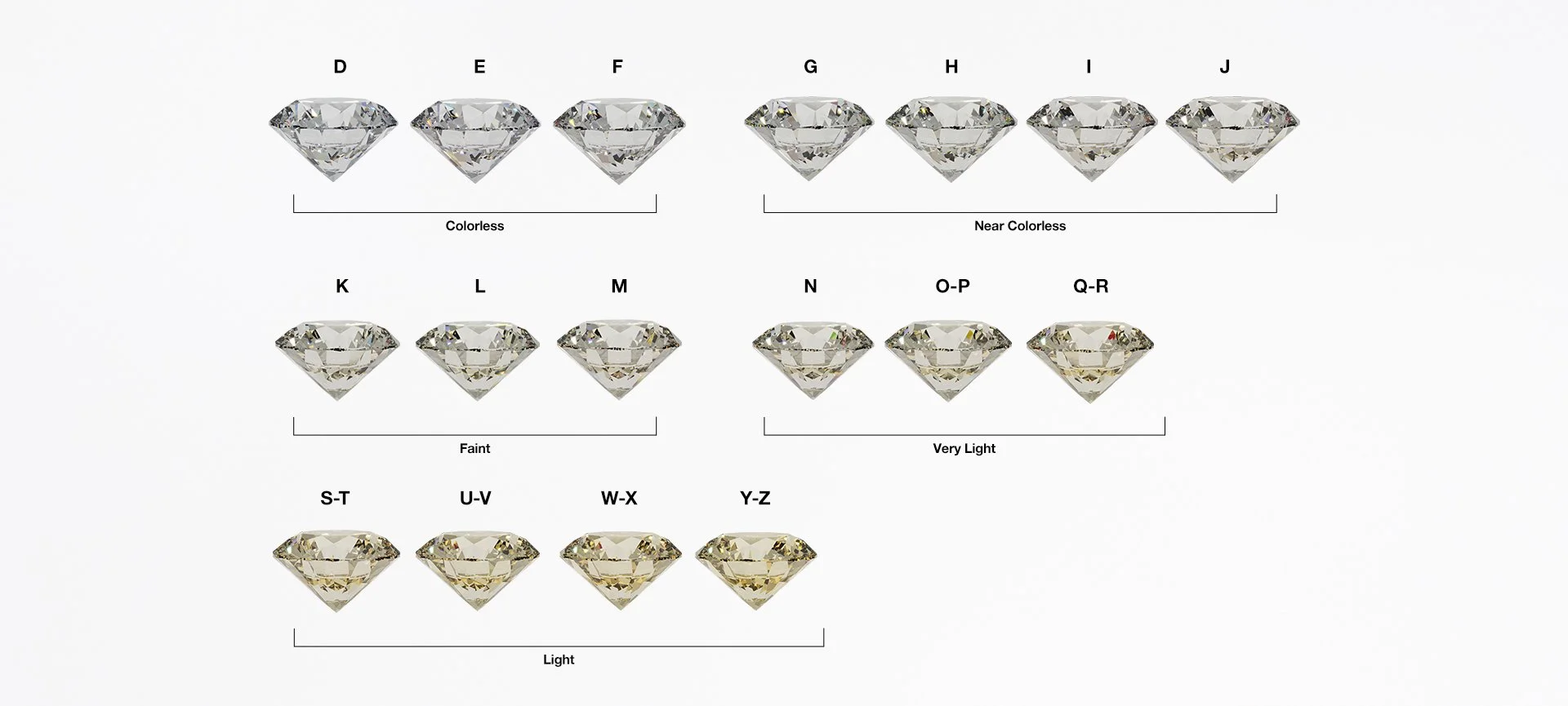
The colour of a diamond refers to the whiteness of the stone. The level of colour tint (if any) within the stone.
Diamonds with less colour are generally considered more desirable and are graded higher on the D–Z scale, with D–F representing the most colourless and premium stones.
Having said this, the colour and hue of a diamond is a very subjective thing. In recent years, ‘champagne’ or stones with faint yellow or brown tinges have become sought after among clients looking for an individual reflection of their unique personality.
Colour typically results from trace elements during formation. Stones with pale yellow or brown tones allow less light to pass through. Conversely, a colourless diamond allows light to travel freely, which can produce more fire and sparkle. Both options when coupled with well-picked clarity are cut grades can produce exceptionally beautiful stones.
-
Clarity measures how free a diamond is from internal inclusions or external blemishes. These tiny marks form during the diamond’s creation and make each stone one of a kind.
The clarity scale ranges from Flawless (FL) at the top end, travelling down to Included (I) at the lowest end of the spectrum. Higher grades have fewer inclusions visible under 10x magnification, though many lower-graded diamonds appear perfectly clean to the naked eye.
At Diamond Concierge, we consider clarity to be one of the most important factors in ensuring your diamond is one that catches eyes. What’s the point of a diamond if it doesn’t sparkle!? So we prioritise this and all the other factors that will give you the dazzle dreams are made of.
-
Carat measures a diamond’s weight, not its physical size — though the two are closely related. Even a small increase in carat weight can significantly affect a diamond’s price.
It’s also a common misconception that carat alone determines a diamond’s beauty and size. In reality, cut, colour, and clarity play equally important roles.
Whilst carat weight directly pertains to how much diamond you are buying, we use clever insights into diamond spread/dimensions to source stones that are great value for money, often offering better visual size than a stone of that calibre should. For example a well cut 2.70ct cushion cut diamond sourced with our expertise can sometimes have the same or better viewing appearance when worn, as a poorly cut 3.00ct one.
Using Diamond Concierge gives you peace of mind that you’re getting the best your money can buy. We pride ourselves on sourcing you an excellent array of well-considered diamonds, making your budget work for you!
Diamond Certification
Entities such as GIA, IGI and EGL provide diamond grading that delivers the consistent and unbiased standard that the global diamond industry and diamond customers, like you, can trust.
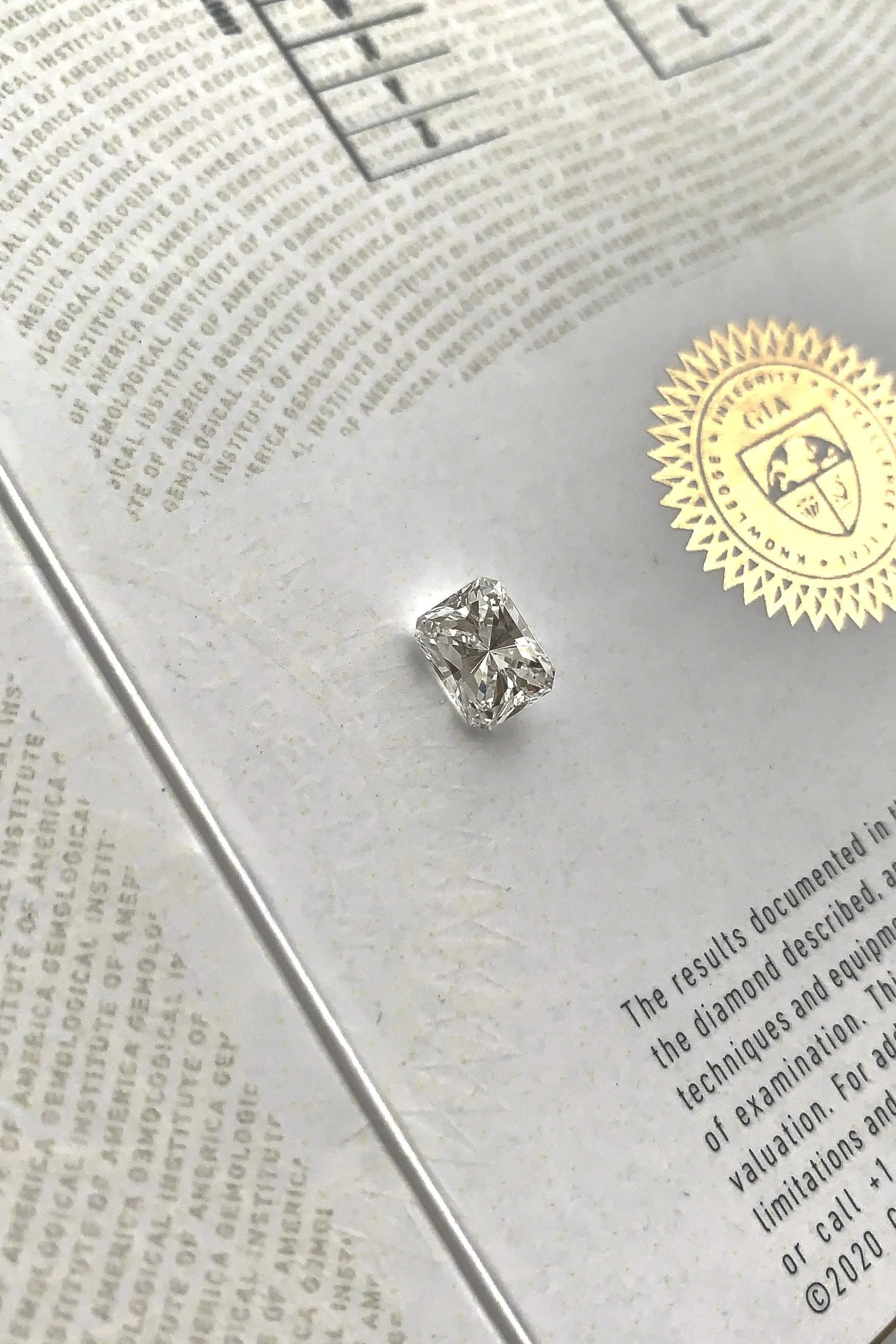
ithout strict standards, the characteristics, quality and value of a diamond would be left open to interpretation, so all diamonds sourced and supplied by Diamond Concierge are certified and come with a serial number and certificate for complete transparency and verification. The best security and evaluation of your diamond’s unique characteristics, is to purchase stones that come with credible certification, like ours.
As said by GIA “Choosing a diamond may be a matter of preference, but evaluating a diamond is a matter of precision.”